
Overcoming the Top Challenges Seniors Encounter While Living Independently
Living independently offers seniors a sense of freedom and control over their daily lives. Yet, it also brings a unique set of challenges that can affect their well-being and safety. Understanding these challenges and finding practical solutions can help seniors maintain their independence longer and with greater confidence.
Staying Safe at Home
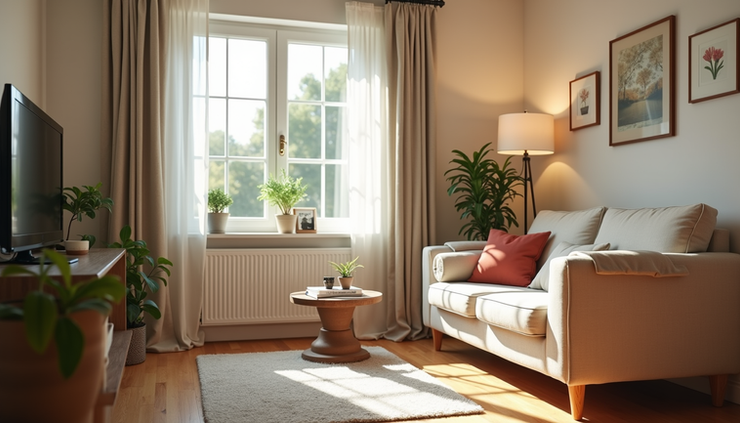
One of the biggest concerns for seniors living alone is safety. Falls are a leading cause of injury among older adults, often resulting from hazards in the home such as loose rugs, poor lighting, or cluttered walkways.
Practical steps to improve safety include:
Installing grab bars in bathrooms and near stairs
Using non-slip mats and rugs
Ensuring adequate lighting in all rooms and hallways
Removing clutter and securing loose cords
Using medical alert systems that can call for help in emergencies
For example, a senior who installed grab bars and improved lighting in their home reported feeling much more secure moving around, reducing anxiety about falls.
Managing Health and Medication
Seniors often face complex health issues requiring multiple medications. Managing these medications correctly is critical but can be confusing, especially with changes in prescriptions or dosages.
Helpful strategies include:
Using pill organizers with compartments for each day and time
Setting alarms or reminders for medication times
Regularly reviewing medications with a healthcare provider
Enlisting help from family members or caregivers for medication management
Technology can assist here, too. Some apps provide reminders and track medication schedules, helping seniors avoid missed doses or accidental double-dosing.
Combating Loneliness and Social Isolation
Living alone can lead to feelings of loneliness, which negatively impacts mental and physical health. Social isolation increases the risk of depression and cognitive decline.
Ways to stay connected:
Joining local senior centers or clubs that offer social activities
Scheduling regular visits or calls with family and friends
Participating in community classes or volunteer opportunities
Using video calls and social media to maintain relationships
For instance, a senior who joined a weekly book club found a renewed sense of purpose and friendship, which improved their mood and outlook.
Handling Daily Tasks and Household Maintenance
Daily chores like cooking, cleaning, and yard work can become overwhelming as physical abilities change. Neglecting these tasks can affect health and safety.
Solutions include:
Hiring help for cleaning, lawn care, or repairs
Simplifying meal preparation with easy recipes or meal delivery services
Using assistive devices like reachers or lightweight vacuum cleaners
Organizing the home to reduce bending or reaching
A senior who arranged for weekly housekeeping services found it easier to maintain a clean and safe environment without feeling exhausted.
Managing Finances and Bills
Handling finances independently can be challenging, especially with complex bills, budgeting, and the risk of scams targeting seniors.
Tips for financial management:
Setting up automatic bill payments to avoid missed deadlines
Using online banking with secure passwords and two-factor authentication
Consulting trusted family members or financial advisors for help
Being cautious of unsolicited calls or emails requesting personal information
One senior avoided a costly scam by verifying a suspicious phone call with their bank before sharing any details.
Accessing Transportation and Mobility
Limited mobility or lack of a driver’s license can restrict seniors’ ability to get to appointments, shop, or socialize.
Options to improve mobility:
Using public transportation with senior discounts
Relying on rideshare services or community shuttle programs
Coordinating rides with family or neighbors
Exploring mobility aids like walkers or scooters for longer distances
A senior who started using a local shuttle service found it easier to attend medical appointments and social events without stress.
Maintaining Mental and Physical Health
Staying active both mentally and physically is key to aging well. Living alone can sometimes reduce motivation to exercise or engage in stimulating activities.
Ways to stay healthy:
Establishing a daily routine that includes light exercise like walking or stretching
Engaging in hobbies such as puzzles, reading, or gardening
Attending group exercise classes designed for seniors
Seeking professional help if feelings of anxiety or depression arise
For example, a senior who joined a weekly tai chi class noticed improvements in balance and mood.
Living independently as a senior comes with challenges, but many practical solutions can help overcome them. By focusing on safety, health management, social connections, and daily support, seniors can enjoy their independence with confidence and peace of mind.
If you or a loved one is navigating these challenges, start by assessing the home environment and daily routines. Small changes can make a big difference in quality of life and safety. Reach out to local resources, family, or professionals to build a support system tailored to individual needs. Independence is valuable, and with the right tools, it can be sustained longer and more comfortably.


Comments