
The Ultimate Guide to Nutritious Breakfast Foods for Active Seniors
Starting the day with the right breakfast can make a big difference in how seniors feel and perform throughout the day. For older adults, a nutritious breakfast supports energy, brain function, and overall health. Choosing foods that provide balanced nutrients helps maintain strength and keeps the body active. This guide explores the best breakfast options tailored to seniors who want to stay lively and healthy all day long.
Why Breakfast Matters for Seniors
As we age, the body's metabolism slows down, and nutrient absorption changes. Skipping breakfast or eating low-quality foods can lead to fatigue, poor concentration, and weakened immunity. A well-balanced breakfast provides:
Sustained energy to avoid mid-morning slumps
Essential nutrients like fiber, protein, vitamins, and minerals
Better digestion and blood sugar control
Support for brain health and memory
Eating the right foods in the morning sets the tone for the rest of the day, helping seniors stay active and independent.
Key Nutrients Seniors Need in Breakfast
To support an active lifestyle, seniors should focus on breakfasts rich in:
Protein: Helps maintain muscle mass and repair tissues. Examples include eggs, Greek yogurt, and nuts.
Fiber: Aids digestion and keeps blood sugar stable. Found in whole grains, fruits, and vegetables.
Healthy fats: Support brain function and heart health. Sources include avocado, nuts, and seeds.
Vitamins and minerals: Especially calcium, vitamin D, and B vitamins, which support bone health and energy production.
Combining these nutrients in breakfast helps seniors feel full longer and supports overall well-being.
Top Breakfast Foods for Active Seniors
1. Oatmeal with Fresh Fruit and Nuts
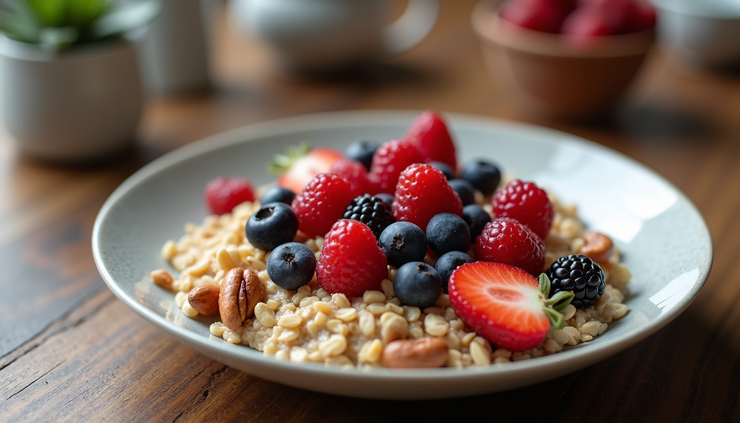
Oatmeal is a classic choice packed with fiber and complex carbohydrates. Adding fresh fruit like berries or sliced banana provides antioxidants and natural sweetness. A handful of nuts or seeds adds protein and healthy fats.
Benefits: Lowers cholesterol, supports heart health, and provides lasting energy.
Tip: Use steel-cut or rolled oats for better texture and nutrition.
2. Greek Yogurt with Honey and Berries
Greek yogurt offers a rich source of protein and probiotics, which promote gut health. Mixing in berries adds vitamins and antioxidants, while a drizzle of honey adds natural sweetness.
Benefits: Supports digestion, muscle maintenance, and immune function.
Tip: Choose plain, unsweetened yogurt to avoid added sugars.
3. Whole Grain Toast with Avocado and Egg
This combination delivers protein, fiber, and healthy fats. Whole grain toast provides complex carbs and fiber, avocado adds monounsaturated fats, and eggs supply high-quality protein and essential vitamins.
Benefits: Supports brain health, muscle strength, and heart health.
Tip: Sprinkle with a pinch of pepper or chili flakes for extra flavor.
4. Smoothies with Leafy Greens and Protein
Smoothies are a convenient way to pack in nutrients. Use spinach or kale for fiber and vitamins, add a scoop of protein powder or nut butter, and include fruits like mango or pineapple for taste.
Benefits: Easy to digest, hydrating, and nutrient-dense.
Tip: Avoid adding too much fruit juice to keep sugar levels balanced.
5. Cottage Cheese with Pineapple or Peaches
Cottage cheese is high in protein and calcium. Pairing it with fruits like pineapple or peaches adds natural sweetness and vitamin C.
Benefits: Supports bone health and muscle repair.
Tip: Choose low-fat or part-skim varieties for a lighter option.
Practical Tips for Preparing Breakfast
Plan ahead: Prepare ingredients the night before to save time in the morning.
Portion control: Keep servings moderate to avoid overeating.
Stay hydrated: Drink a glass of water or herbal tea with breakfast.
Limit added sugars: Use natural sweeteners like fruit or a small amount of honey.
Include variety: Rotate different foods to cover a broad range of nutrients.
Foods to Avoid or Limit at Breakfast
Certain foods can cause energy crashes or digestive discomfort:
Sugary cereals or pastries with refined flour
High-fat processed meats like bacon or sausage
Excessive caffeine without food
Heavy fried foods
Choosing wholesome, nutrient-rich options helps maintain steady energy and supports long-term health.
How Breakfast Supports an Active Lifestyle
Eating a balanced breakfast helps seniors:
Maintain muscle strength for daily activities
Improve concentration and mental clarity
Regulate blood sugar to prevent fatigue
Support heart and bone health through essential nutrients
Staying active requires fuel that lasts, and breakfast is the best opportunity to provide it.
Final Thoughts
A healthy breakfast is one of the simplest yet most effective ways to support senior health.
The goal is simple:Start the day with nutritious foods that provide energy, strength, and long-term health benefits.
Small dietary changes can help seniors stay active, independent, and healthier for years to come.
Book a Free Consultation
If you’re concerned about your loved one’s nutrition and daily care:
Call Now: 972-584-9880
Schedule Your Free Consultation Today
Personalized meal support
Safe and caring environment
Professional senior care services


Comments