
Why Seniors Should Avoid Processed Foods
Processed foods have become a staple in many diets, offering convenience and long shelf life. Yet, for seniors, these foods can pose significant health risks that often go unnoticed. As the body ages, nutritional needs change, and the impact of diet on overall health becomes more critical. Avoiding processed foods can help seniors maintain better health, reduce the risk of chronic diseases, and improve quality of life.

What Are Processed Foods?
Processed foods are items that have been altered from their natural state for safety reasons or convenience. This includes anything from canned vegetables and frozen meals to snacks like chips and sugary cereals. Many processed foods contain added sugars, unhealthy fats, salt, and artificial ingredients.
For seniors, these additives can be harmful because the body's ability to process and eliminate toxins decreases with age. Additionally, processed foods often lack essential nutrients that seniors need to support bone health, brain function, and immune response.
How Processed Foods Affect Senior Health
Increased Risk of Chronic Diseases
Processed foods are often high in sodium, sugar, and unhealthy fats. Excess sodium can lead to high blood pressure, a common issue among older adults that increases the risk of heart disease and stroke. High sugar intake contributes to insulin resistance and type 2 diabetes, conditions that affect many seniors.
Unhealthy fats, such as trans fats, raise bad cholesterol levels and lower good cholesterol, increasing the risk of cardiovascular problems. Studies show that seniors who consume a diet high in processed foods have a greater chance of developing these chronic conditions.
Poor Nutrient Intake
Many processed foods are calorie-dense but nutrient-poor. Seniors need adequate amounts of vitamins D, B12, calcium, and fiber to maintain muscle strength, bone density, and digestive health. Processed foods often replace these nutrients with empty calories, leading to deficiencies.
For example, a senior who regularly eats processed snacks instead of fresh fruits and vegetables may not get enough antioxidants, which protect cells from damage. This can accelerate aging and increase vulnerability to infections.
Digestive Issues
Processed foods typically contain little fiber, which is essential for healthy digestion. Seniors often experience slower digestion and are more prone to constipation. A diet high in processed foods can worsen these problems, causing discomfort and affecting nutrient absorption.
Including whole grains, fruits, and vegetables helps maintain regular bowel movements and supports gut health, which is crucial for overall well-being.
Practical Tips for Seniors to Avoid Processed Foods
Plan Meals Around Whole Foods
Focus on fresh or frozen fruits and vegetables, lean proteins like fish and poultry, whole grains, nuts, and seeds. These foods provide essential nutrients without the harmful additives found in processed options.
Read Labels Carefully
When buying packaged foods, seniors should check ingredient lists for added sugars, sodium, and unhealthy fats. Choosing products with fewer ingredients and recognizable names is a good rule of thumb.
Cook at Home More Often
Preparing meals at home allows control over ingredients and portion sizes. Simple recipes using fresh ingredients can be both nutritious and easy to make.
Limit Convenience Foods
While convenience is important, try to reduce reliance on ready-made meals, fast food, and snacks high in preservatives. Instead, keep healthy snacks like fresh fruit, yogurt, or nuts on hand.
Stay Hydrated with Healthy Drinks
Avoid sugary sodas and processed fruit juices. Water, herbal teas, and natural fruit-infused water are better choices to stay hydrated without added sugars.
Benefits of Avoiding Processed Foods for Seniors
Improved Heart Health
Reducing processed food intake lowers sodium and unhealthy fat consumption, which helps maintain healthy blood pressure and cholesterol levels.
Better Weight Management
Whole foods are more filling and nutrient-rich, helping seniors maintain a healthy weight and avoid obesity-related complications.
Enhanced Cognitive Function
Nutrients found in fresh foods, such as omega-3 fatty acids and antioxidants, support brain health and may reduce the risk of cognitive decline.
Stronger Immune System
A diet rich in vitamins and minerals from whole foods strengthens the immune system, helping seniors fight infections more effectively.
Increased Energy and Vitality
Eating nutrient-dense foods provides sustained energy, improving daily functioning and quality of life.
Common Processed Foods Seniors Should Avoid
Packaged snacks like chips, cookies, and crackers with high salt and sugar content
Sugary breakfast cereals with artificial colors and flavors
Frozen meals high in sodium and preservatives
Processed meats such as sausages, hot dogs, and deli meats containing nitrates
Sugary beverages including sodas and fruit-flavored drinks
Alternatives to Processed Foods
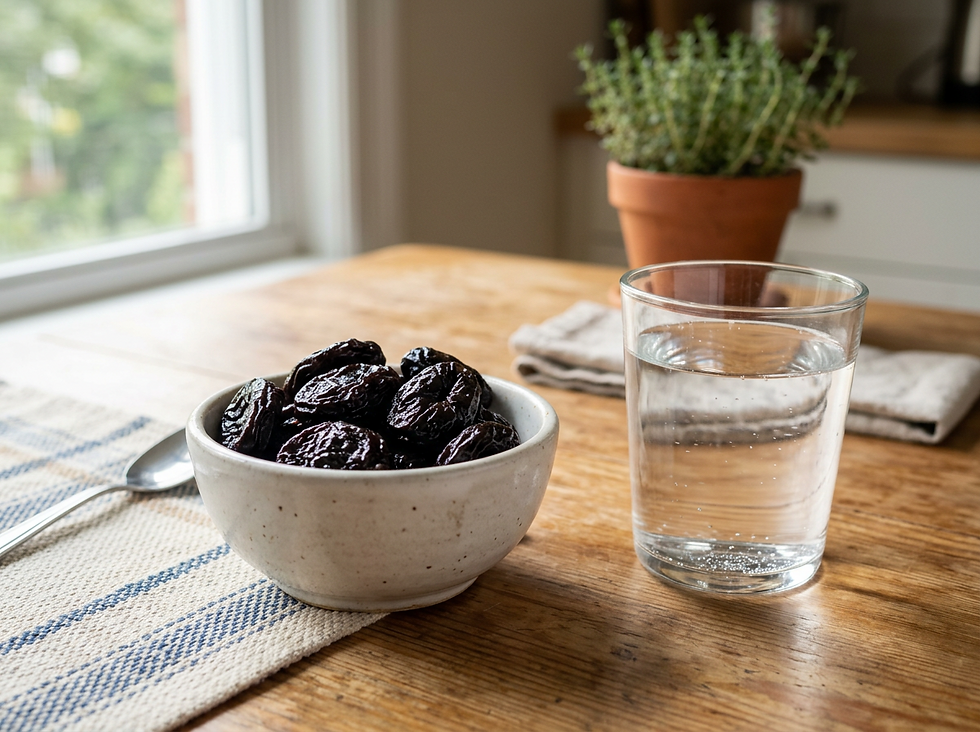
Fresh fruit or unsweetened dried fruit for snacks
Homemade trail mix with nuts and seeds
Oatmeal or whole-grain cereals without added sugar
Freshly cooked lean meats or plant-based proteins
Water, herbal teas, or freshly squeezed juices without added sugar
Final Thoughts
Seniors face unique health challenges that make diet especially important. Avoiding processed foods can reduce the risk of chronic diseases, improve nutrient intake, and support overall well-being. Small changes like cooking at home, reading labels, and choosing whole foods can make a big difference.


Comments