
Effective Foods and Tips to Help Seniors Overcome Constipation Naturally
Updated: May 13
Constipation is a common concern among seniors, often causing discomfort and affecting overall well-being. Changes in diet, reduced physical activity, and certain medications can contribute to this issue. Fortunately, natural approaches focusing on diet and lifestyle can make a significant difference. This post explores the best foods to relieve constipation in seniors, practical hydration tips, natural remedies, and the importance of a balanced diet with regular meals.

Fiber-Rich Foods That Benefit Seniors
Fiber plays a crucial role in promoting healthy digestion and easing constipation. For seniors, incorporating a variety of fiber-rich foods can improve bowel regularity and support gut health. Here are some of the best options:
Whole Grains
Brown rice, oatmeal, barley, and whole wheat bread provide insoluble fiber that adds bulk to stool and speeds up its passage through the intestines.
Fruits
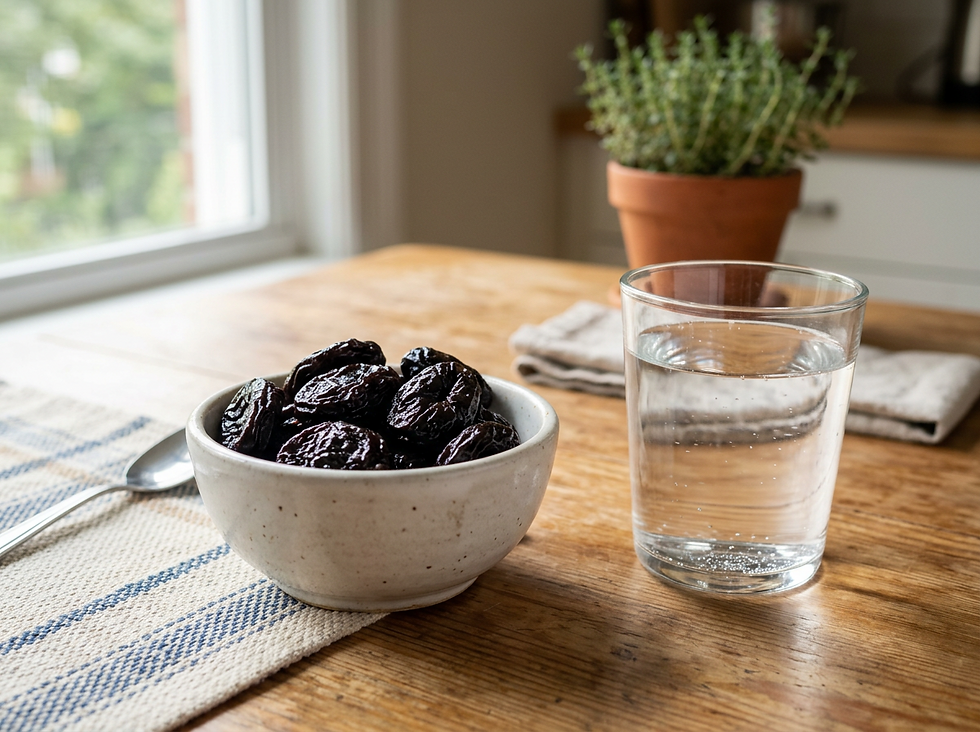
Apples (with skin), pears, berries, prunes, and oranges are excellent sources of soluble and insoluble fiber. Prunes, in particular, contain sorbitol, a natural laxative that helps soften stool.
Vegetables
Leafy greens like spinach and kale, carrots, broccoli, and Brussels sprouts offer fiber and important nutrients that support digestion.
Legumes
Beans, lentils, chickpeas, and peas are rich in fiber and protein, making them a filling and effective choice to relieve constipation.
Nuts and Seeds
Flaxseeds, chia seeds, almonds, and walnuts add fiber and healthy fats. Ground flaxseeds can be easily added to yogurt or smoothies.
Tips for Adding Fiber
Introduce fiber gradually to avoid gas or bloating.
Aim for at least 25 grams of fiber daily, adjusting based on individual tolerance.
Combine fiber with plenty of fluids to help it work effectively.
Practical Hydration Tips for Seniors
Adequate fluid intake is essential for preventing and relieving constipation. Water helps soften stool and supports smooth bowel movements. Seniors often drink less water due to reduced thirst sensation, so encouraging hydration is key.
Set Reminders
Use alarms or apps to remind about drinking water throughout the day.
Flavor Water Naturally
Add slices of lemon, cucumber, or fresh mint to water for a refreshing taste.
Include Hydrating Foods
Watermelon, cucumbers, oranges, and soups contribute to fluid intake.
Limit Dehydrating Drinks
Reduce caffeine and alcohol, which can cause dehydration.
Use a Water Bottle
Keep a reusable water bottle nearby to encourage sipping regularly.
Natural Remedies That Can Aid Constipation
Alongside diet and hydration, some natural remedies may help seniors manage constipation more comfortably:
Prune Juice
Drinking a small glass of prune juice daily can stimulate bowel movements due to its fiber and sorbitol content.
Warm Liquids
Starting the day with warm water, herbal tea, or broth can activate digestion.
Physical Activity
Gentle exercises like walking or stretching improve intestinal motility.
Probiotics
Yogurt with live cultures or probiotic supplements may balance gut bacteria and support digestion.
Magnesium-Rich Foods
Foods like spinach, pumpkin seeds, and nuts provide magnesium, which can help relax intestinal muscles.
Always consult a healthcare provider before starting supplements or new remedies, especially if taking medications.
The Importance of a Balanced Diet and Regular Meals
Eating a balanced diet with consistent meal times supports digestive health and regular bowel movements. Skipping meals or irregular eating can disrupt the digestive rhythm.
Balanced Meals
Combine fiber-rich carbohydrates, lean proteins, and healthy fats to nourish the body and maintain energy.
Regular Meal Schedule
Eating at similar times daily helps train the digestive system.
Smaller, Frequent Meals
For some seniors, smaller portions spread throughout the day can ease digestion.
Mindful Eating
Eating slowly and chewing food thoroughly aids digestion and prevents discomfort.


Comments